November 28, 2026
How to Choose an ATV Quad Bike in Dubai for Desert Riding
By @atvquadbikedubaistore
Choosing the right quad for desert riding takes more than picking a bold colour or the biggest engine on the menu. The terrain changes from firm sand to soft dunes, and a bike that feels manageable on open ground can become tiring in deep sand. The best choice depends on your riding experience, the type of route, and how much support you want around you. Work through the decision in order, and each step will narrow the field.
Start with the kind of riding you plan to do
Begin by defining the ride itself. A short beginner route over firmer desert ground calls for a different quad than a longer outing with steep dunes and sustained riding. Think about whether the day will be mostly relaxed cruising, dune bashing, or practising riding techniques on varied sand. If the route includes tight turns, narrow tracks, or frequent stops, agility matters more than raw speed.
This first step sets the tone for every later choice. A rider who wants a calm introduction should look for predictable power, manageable weight, and a riding position that feels natural. Someone with more off-road experience may want stronger acceleration and a chassis that stays composed at higher speeds. Be honest about stamina and confidence, because desert terrain can make a bike feel heavier than it looks.
Match the quad bike type to your experience
Quad bike types are usually grouped by purpose and engine size. Utility quads tend to be heavier and more stable, while sport quads are lighter and quicker to react. For a first desert ride, stability often matters more than sharp handling. A machine that does not surprise the rider with sudden power is easier to control when the sand softens or the surface drops away.
Younger or newer riders should look for a smaller engine, a speed limiter, and clear controls that can be reached without stretching. More experienced adults can consider a mid size or larger quad, provided the route suits it. Avoid choosing only by appearance. A sporty frame may look impressive but can demand more input from the rider, especially in soft sand where the front end needs careful steering.
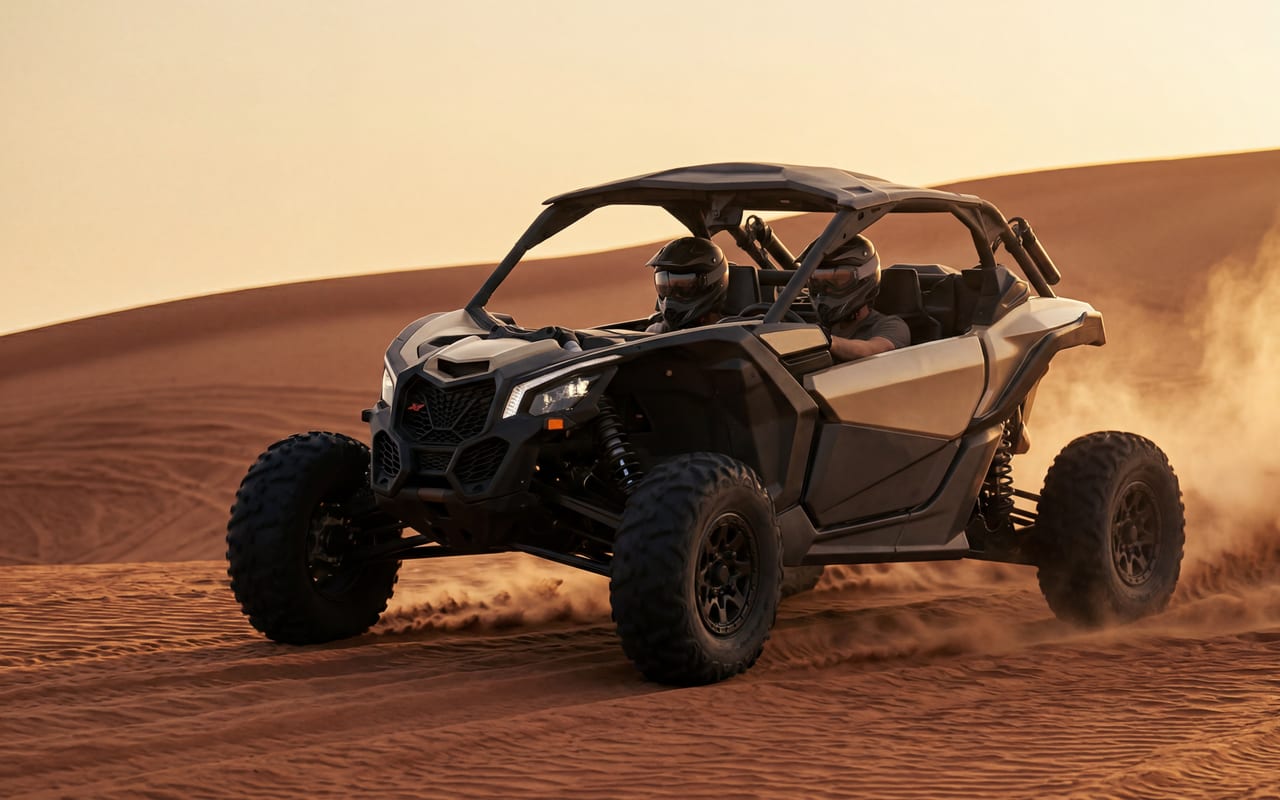
ATV Dubai Desert is a name that may come up while looking into local riding options, but the bike choice should still be judged against the rider and the route, not the label on a listing.
Check the fit before focusing on power
Fit is easy to overlook and hard to ignore once riding starts. Sit on the quad if possible, or at least check the seat height, reach to the handlebars, and space for the legs. Your feet should rest securely on the footrests, and your hands should hold the grips without locked elbows. The body should feel centred, since shifting weight is a normal part of riding over a sand dune.
Pay attention to how the quad feels when you imagine slow turns. A tall seat can be useful over rough ground, but it may feel unsettling for a shorter rider. A low seat can feel friendly at a standstill yet be less forgiving when the bike leans. The right fit lets the rider stay relaxed, look ahead, and react early rather than clinging on.
Look closely at safety gear and rider setup
Safety gear is part of the choice, not an afterthought. A helmet that fits properly is essential, along with eye protection for dust and glare. Gloves improve grip and protect hands, while long sleeves and durable trousers reduce scraping and sun exposure. Closed footwear with good coverage is better than sandals or loose shoes.
Check that the helmet sits level, does not rock when you move your head, and has a secure fastening. If eye protection fogs or fits poorly, the ride becomes less comfortable and less clear. Bring the same care to clothing that might flap in the wind or catch on the quad. Nothing should interfere with steering, braking, or getting on and off safely.
Ask how the ride will be managed
Even a well chosen quad is only part of a safe outing. Find out whether the ride follows marked routes, how groups are organised, and what rules apply to speed and overtaking. A guided tour can help newer riders read the terrain, understand hand signals, and keep a sensible pace. Clear route management also reduces the chance of riders spreading out beyond support.
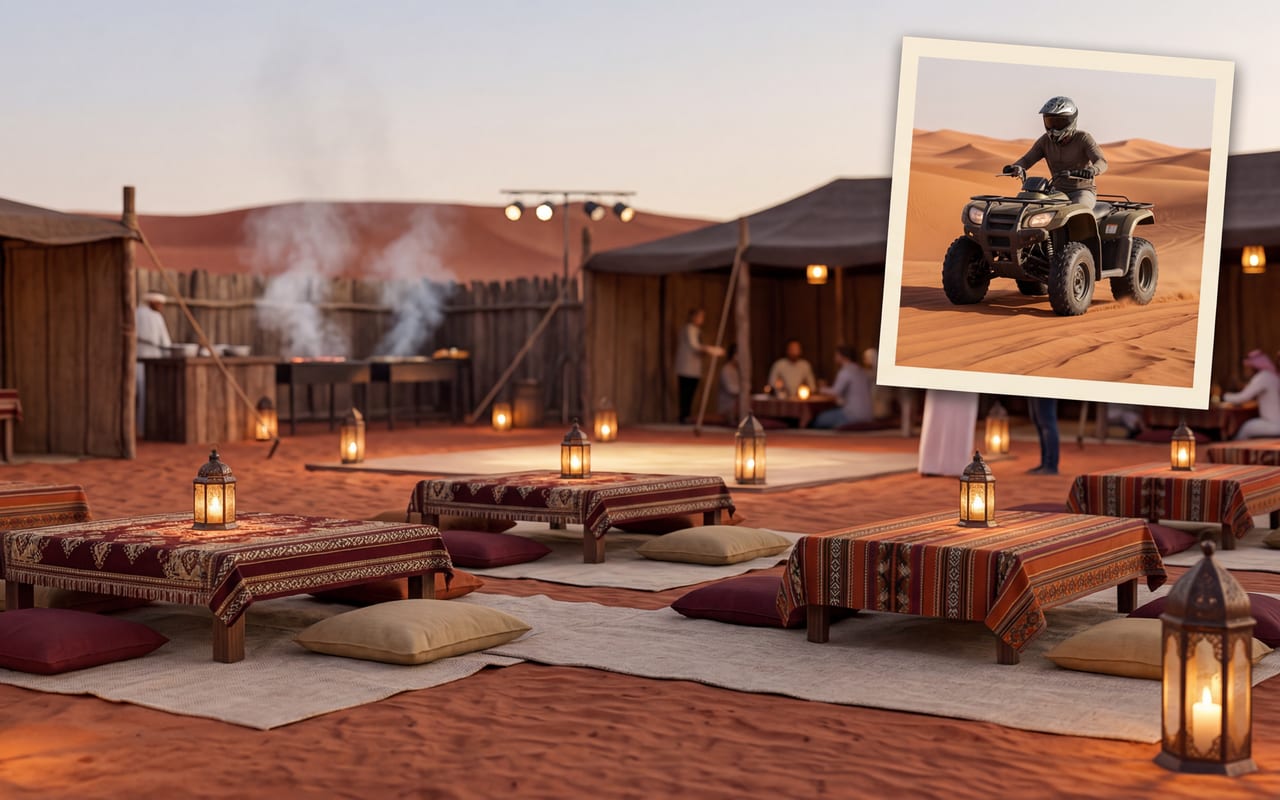
The phrase ATV Dubai Desert can appear in general browsing, but the practical question is what structure surrounds the ride. Ask about briefings, route boundaries, and what happens if a rider wants to stop. A good setup makes expectations clear before engines start. Watch for vague answers about speed limits, group spacing, or how the route changes when conditions are windy.
Inspect the quad in a calm, simple way
A basic visual check can reveal a lot before riding. Look for even tyre wear, secure body panels, clean handlebars, and controls that move freely when the engine is off. Check that the seat is fixed in place and that footrests are not bent. Tyres suited to sand usually have a broad footprint, which helps the quad stay on top of softer ground rather than digging in.
Notice whether the machine looks cared for in general. Sand and dust are normal in desert use, but damaged panels, loose fittings, or uneven tyre condition deserve attention. If anything seems uncertain, ask before committing. Mechanical work involving brakes, fuel systems, or electrical faults is not a roadside task and should be left to a qualified professional.
Understand speed limits and route conditions
Speed in the desert is deceptive. A quad may feel slow because the ground is wide open, then become hard to manage when the surface changes. Respect posted or stated speed limits and keep enough space between riders to allow for sudden turns or stops. Sand dunes can hide dips and harder patches, so a steady line is often better than a fast approach.
Wind can change the feel of a ride by moving sand across the route and reducing visibility. Heat also affects both rider and machine. Plan for water, rest, and a pace that does not leave you tired before the return. If a route includes mixed terrain, choose a quad that remains stable at moderate speed instead of one that only feels exciting on firm ground.
Compare the whole offer, not one feature
Once you know your riding level, fit, and route type, compare options side by side. Look at the quad type, the safety gear required, the structure of the outing, and the condition of the equipment. A cheaper looking choice is not necessarily better if it lacks clear rules or suitable machines. A powerful quad is not automatically the right one if the route is gentle and the rider is new to sand.
A short list makes the decision easier. Keep a few practical points in view:
- Does the quad suit your height, confidence, and riding experience?
- Is the power delivery steady enough for desert terrain?
- Are helmet fit, eye protection, gloves, and covered clothing arranged?
- Are route boundaries, pacing, and speed limits explained clearly?
- Does the machine look well maintained, with suitable sand tyres?
Make the final choice with a clear head
The right pick is the one that fits the rider, the route, and the conditions on the day. A sensible quad gives control without demanding constant correction, and a well organised ride helps everyone stay within their limits. Before you decide, revisit the basics: fit first, steady power second, safety gear throughout, and a route that matches your ability.
If a detail feels unclear, ask for a plain answer before moving ahead. Desert riding is enjoyable when the choices are made carefully and the pace stays controlled. A good quad is not the loudest or fastest one in the line. It is the one that lets you read the sand, keep your balance, and finish the ride feeling comfortable and in control.
❧